What is Harm Reduction?
Harm reduction is a set of policies, programs, and practices that intend to reduce or minimize the negative impacts (health, social, legal) that may accompany drug use. Fundamentally, harm reduction has its roots in social justice. It works with the intention of alleviating harm caused directly by drugs or indirectly via legal consequences, interactions with law enforcement, loss of employment, etc. Many harm reduction practices fall into the category of evidence-based medicine, meaning that their usage has been researched extensively and peer-reviewed to ensure efficacy in not just reducing general harm, but also mortality.
Harm reduction as a philosophy:
- Accepts that drug use is a part of our world, and seeks to minimize its harmful effects
- Understands that drug use encompasses a wide spectrum of behavior
- Establishes quality of life and wellbeing as the criteria for successful intervention
- Calls for a non-judgmental provision of resources for people who use drugs
- Ensures that people who use drugs have a voice in the creation of policies and programs that serve them
- Affirms and empowers people who use drugs to reduce the harms of their own drug use and support others
- Recognizes social factors that affect vulnerability and drug use
- Does not attempt to minimize or ignore the real and tragic harm associated with drug use
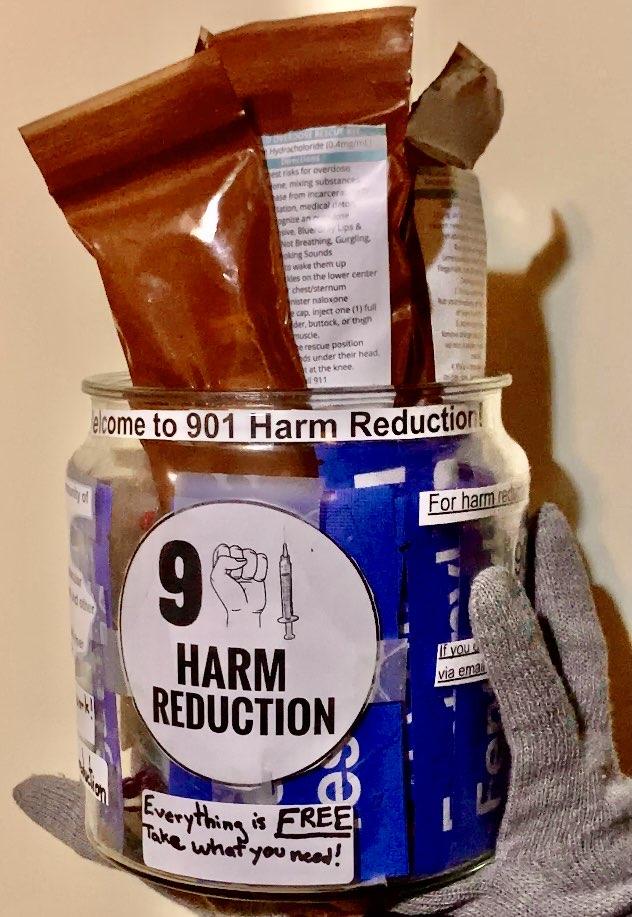
Harm reduction in other areas can look like wearing a seatbelt while driving or sunscreen in the sun, or taking birth control- practices we use to reduce the risk involved in inherently-risky activities that we nonetheless pursue. We accept that risk as an inherent part of the activity, and strive to reduce it where we can.
Harm reduction specifically relating to drugs can look like:
- Providing and using fentanyl and xylazine test strips to allow people who use drugs to inform themselves about what is currently in the street supply, and increase their agency and power to choose what they do and do not want to put into their bodies.
- Providing safe consumption sites, where people who use drugs can use them in the company of those who care about their survival, are trained to reverse overdoses, and are familiar with local drug laws.
- Running syringe access programs to provide clean needles to reduce reuse and sharing of dirty syringes, which can reduce the risk of infections disease transmission between people who use drugs.
- Distribute narcan/naloxone, empowering people who use drugs and their loved ones to reverse an overdose and save their life.
- Providing access to wanted medical, legal, and mental health services, to better care for people who use drugs, and potentially address root causes of substance use disorders.
- Assisting with low-threshold medication-assisted-treatment (MAT).
If you’re curious and would like to learn more, information can be found at the following links: